A Deep Dive into Global Economic Shifts: Why U.S. Treasury Yields Are Soaring
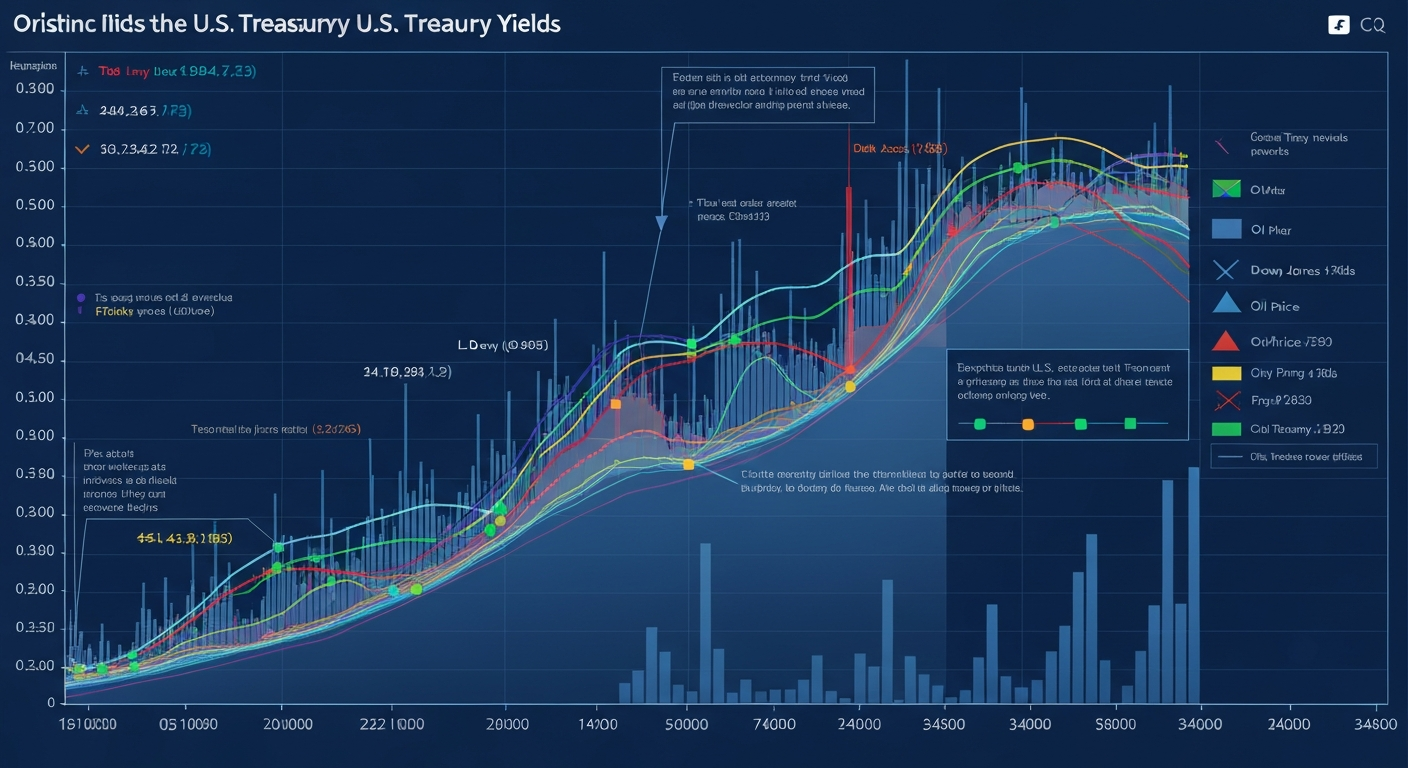
The U.S. Treasury yields have been on a rollercoaster, hitting levels we haven't seen in a while. We're talking 10-year yields around 4.5% and 30-year yields touching 5.0% – numbers that would have seemed wild just a few years ago. What's driving this surge, and what does it mean for us? Let's grab a coffee and unpack the four big reasons behind this climb, and how they're shaping everything from inflation to central bank decisions.
It’s easy to get caught up in the daily headlines, but understanding the underlying currents is key. These aren't isolated events; they're interconnected threads in the global economic tapestry. From geopolitical tensions to technological revolutions, a confluence of factors is pushing these yields higher, and it’s crucial to grasp the bigger picture to navigate the financial landscape ahead.
The Shadow of Geopolitics: War, Oil, and Inflation
First up, let's talk about the elephant in the room: the Middle East conflict. When war breaks out, it doesn't just impact the immediate region; its ripples spread globally, especially when it involves critical resources like oil. The ongoing tensions have fueled concerns about oil prices, and when oil gets expensive, everything else tends to follow suit. This isn't just about the immediate price at the pump; it's about the cost of transporting goods, manufacturing products, and essentially, the cost of living.
This surge in oil prices creates a sticky situation for inflation. If high oil prices persist, the fear is that inflation won't just be a temporary blip but will become entrenched, a "chronic illness" as some experts put it. Think about it: if prices keep rising for an extended period, people start expecting them to keep rising, which then feeds into wage demands and further price hikes. This expectation of persistent inflation is a major driver for long-term Treasury yields, as investors demand higher returns to compensate for the erosion of their money's purchasing power over time.
Beyond the immediate impact on oil, the conflict also puts a strain on national budgets. War is incredibly expensive, and the U.S. is already seeing its defense spending increase significantly. When a government needs to spend more, it often has to borrow more, which means issuing more Treasury bonds. An increased supply of bonds, without a corresponding increase in demand, naturally pushes down bond prices and, consequently, drives up their yields. It's a classic supply-and-demand dynamic playing out on a massive scale, adding another layer of upward pressure on those yields.
The AI Revolution and Shifting Capital Flows
Now, let's pivot to something that might seem completely unrelated but is actually a significant factor: the AI revolution. Big tech companies are pouring massive amounts of capital into AI infrastructure, building data centers, and investing in cutting-edge technology. This isn't just a small-scale investment; it's a monumental shift in capital allocation. These companies, which were once major buyers of bonds, effectively supplying liquidity to the market, are now becoming massive borrowers themselves.
Think of it this way: these tech giants are like hungry machines, sucking up capital from the market to fund their ambitious projects. This increased demand for capital from the private sector means there's less money available to buy government bonds, or at least, investors demand higher interest rates to lend their money to the government. This transformation from capital suppliers to capital demanders by the tech sector is a powerful force pushing up interest rates across the board, including Treasury yields. It's a testament to how quickly technological advancements can reshape financial markets.
Adding to this complex picture are the changing dynamics of global reserve management. Traditionally, countries like China and Japan have been major purchasers of U.S. Treasury bonds, holding vast sums as part of their foreign exchange reserves. However, this trend is starting to shift. China, for instance, has become increasingly wary of over-reliance on dollar-denominated assets, especially given recent geopolitical tensions and the freezing of assets belonging to countries like Russia and Iran. The fear of asset freezes is prompting a diversification away from the dollar, reducing demand for U.S. Treasuries.
Similarly, Japan has been grappling with a weakening yen, which has led its central bank to intervene in currency markets. To stabilize the yen, Japan might need to sell some of its dollar assets, including U.S. Treasuries, to acquire yen. This reduction in demand from major foreign buyers further contributes to the upward pressure on U.S. Treasury yields. It's a delicate dance between national economic interests and global financial stability, with each move having a ripple effect on bond markets worldwide.
The Middle East's Dollar Dilemma and Currency Intervention
Another crucial piece of the puzzle involves Middle Eastern countries and their dollar holdings. Many of these nations, particularly those heavily reliant on oil exports, accumulate significant dollar reserves. When the dollar strengthens, as it has been doing, it can create challenges for their domestic economies, especially if they need to stabilize their own currencies. To counter a strong dollar and prevent their local currencies from depreciating too much, these countries often intervene in foreign exchange markets.
How do they do this? They sell their dollar assets, which frequently include U.S. Treasury bonds, to buy their own currency. This process, while aimed at stabilizing their domestic exchange rates, has a direct impact on the U.S. bond market. By selling off U.S. Treasuries, these nations reduce the overall demand for these bonds, which, as we discussed earlier, pushes up their yields. It's a classic case of how global currency dynamics can feed directly into the U.S. bond market, creating an intricate web of cause and effect.
This isn't just a theoretical exercise; it's a real-world phenomenon playing out as countries manage their vast foreign exchange reserves. The decision to sell U.S. Treasuries isn't taken lightly, as it can have significant implications for global financial stability. However, when faced with domestic economic pressures, central banks prioritize their own economies, leading to these strategic shifts in their reserve portfolios. This ongoing rebalancing act by major reserve holders is a subtle yet powerful force contributing to the current upward trend in U.S. Treasury yields.
The New Normal: Higher Rates and Persistent Inflation
So, what does all this mean for the long run? It seems we might be entering a "new normal" where interest rates, inflation, and even currency exchange rates operate at higher levels than we've grown accustomed to over the past decade. The era of ultra-low interest rates, a hallmark of the post-2008 financial crisis period, appears to be fading into the rearview mirror. This isn't just a temporary blip; it's a fundamental shift driven by a combination of geopolitical instability, massive capital reallocation, and evolving central bank strategies.
This "new normal" implies that the elevated Treasury yields we're seeing today might not be an anomaly but rather a more sustained feature of the financial landscape. For investors, this means recalibrating expectations and adapting strategies to an environment where the cost of capital is higher and inflation remains a persistent concern. It also means that central banks, like the Federal Reserve and the Bank of Korea, face an incredibly complex challenge: how to manage inflation without stifling economic growth, all while navigating a volatile global environment.
The current situation is a testament to the interconnectedness of the global economy. A conflict in one region can impact oil prices worldwide, leading to inflation, which then influences central bank policies, capital flows, and ultimately, the yields on government bonds. It's a reminder that financial markets are not isolated systems but rather dynamic reflections of a constantly evolving world. Understanding these intricate connections is key to making informed decisions in this new, more complex financial era.