Navigating the Economic Tides
Ever wonder what keeps the nation's top economic minds up at night? Intricate world of monetary policy, inflation, and the future of the American economy. It was like getting a peek behind the scenes of a complex machine.
The National Economic Picture: A Mix of Caution and Optimism
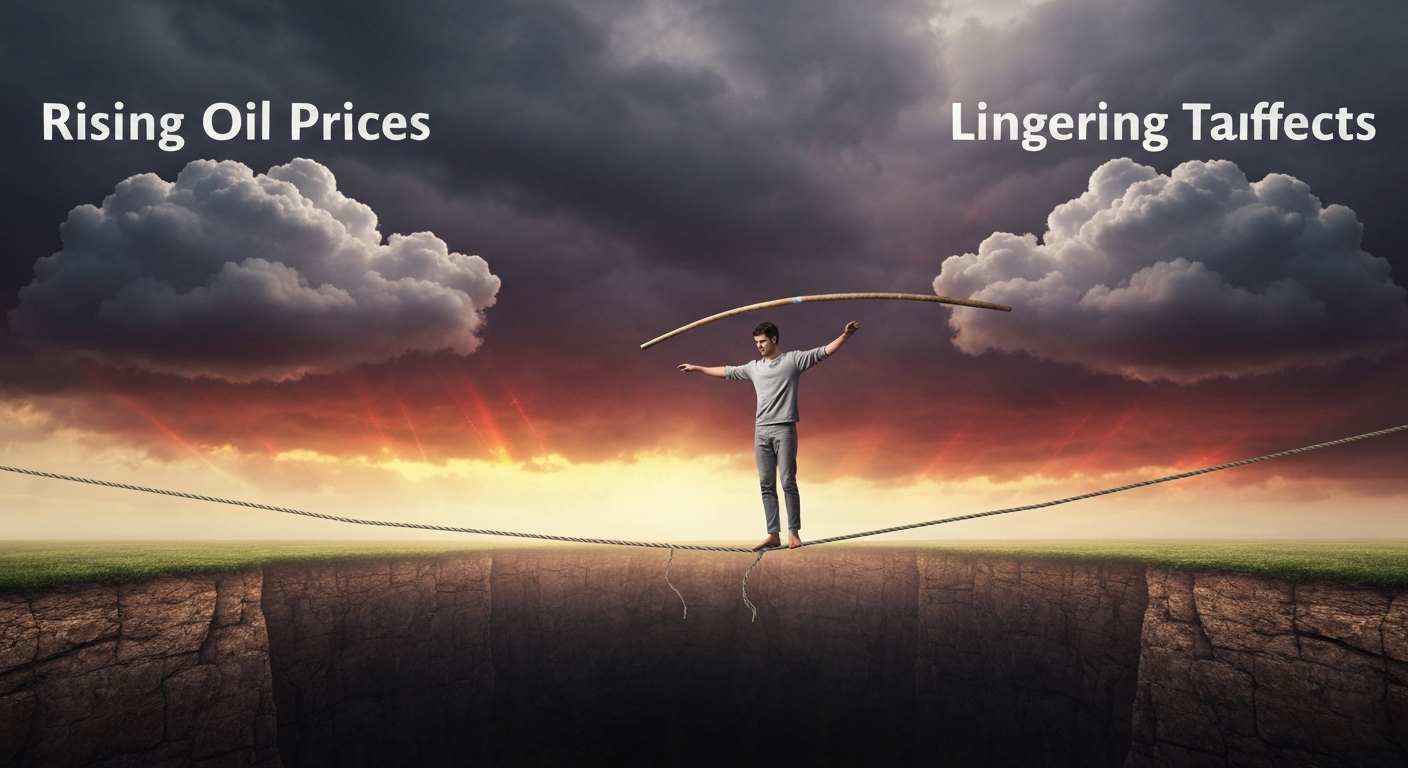
Remarkably, inflation did come down substantially in 2023 without triggering a recession. However, the current landscape presents new challenges."Stagflationary direction" shocks hitting the economy, starting with tariffs and now compounded by rising oil prices. Worries about the persistence of these shocks, especially if the oil price surge hits before the tariff-induced inflation has fully dissipated. This scenario is eerily reminiscent of the period when the COVID-19 supply shock was followed by the war in Ukraine, creating a cascade of disruptions.
The job market, too, is in an unusual state. Observed very low hiring rates, which typically signal a recession, alongside very low layoff rates, which usually indicate the opposite. We can attribute this strange combination to widespread uncertainty among businesses, causing them to "sit on their hands" until they have a clearer picture of the future. While acknowledging the concerns of prominent bank presidents like Jamie Dimon and Brian Moynihan about potential 4% inflation, we can remains hopeful that the current situation doesn't resemble a "regular recession," suggesting that the lessons of the past might only be "at best cousins" to what we're experiencing now.
AI, Labor, and the Resilient Consumer
The conversation naturally turned to artificial intelligence and its potential impact. There are skepticism that AI is currently a major driver of changes in the job market, particularly for recent college graduates facing high unemployment rates. The adoption of AI simply hasn't been widespread enough yet to explain these broader trends, suggesting deeper underlying factors are at play.
Looking further ahead, looking from the "economist camp" on AI's long-term impact. While acknowledging the potential for disruption like other general-purpose technologies such as telephones, computers, and electricity, AI will ultimately generate far more jobs than it destroys and facilitate rising incomes. It's a disruptive force, yes, but one that historically leads to overall economic growth and new opportunities.
Despite the anxieties, we can point to the enduring strength of the U.S. consumer as a major source of optimism. For the past three years, the American consumer has been the primary driver of economic growth, consistently spending even when sentiment surveys suggest otherwise. This resilience, coupled with solid incomes and a historically strong unemployment rate, provides a strong foundation. While acknowledging a "lower-case K" shaped economy where wealthier individuals have seen greater gains, the consumer spending growth has been broad-based, affecting the "main trunk of the economy" and benefiting a wide range of income groups.